
High Altitude sickness occurs when your body cannot get enough oxygen due to the lower air pressure at high elevations, especially if you ascend too quickly. It is a common condition that can affect anyone at any time, regardless of fitness level. While there is no need to be nervous, it is vital to stay attentive to your body.
How to recognizing the major symptoms? If you experience any of the following symptoms, stop your ascent immediately:
 1. Persistent headache or dizziness.
2. Nausea or vomiting.
3. Loss of appetite.
4. Difficulty sleeping.
What to do if symptoms appear: Do not climb higher. The best remedy is descending to a lower altitude as quickly as possible. While preparing to descend or resting, follow these steps:
• Hydrate: Drink plenty of hot fluids.
• Eat: Try garlic soup, a popular local remedy for circulation.
• Rest: Allow your body time to acclimatize and recover.
How to prevent from high altitude sickness?
• Climb slowly: Avoid going from low altitude to over 2,500 meters (8,000 feet) in a single day if possible.
• Limit sleeping elevation: Above 3,000 meters (10,000 feet), increase your sleeping altitude.
• Climb high, sleep low: Hike to higher elevations during the day for acclimatization, but return to a lower altitude to sleep.
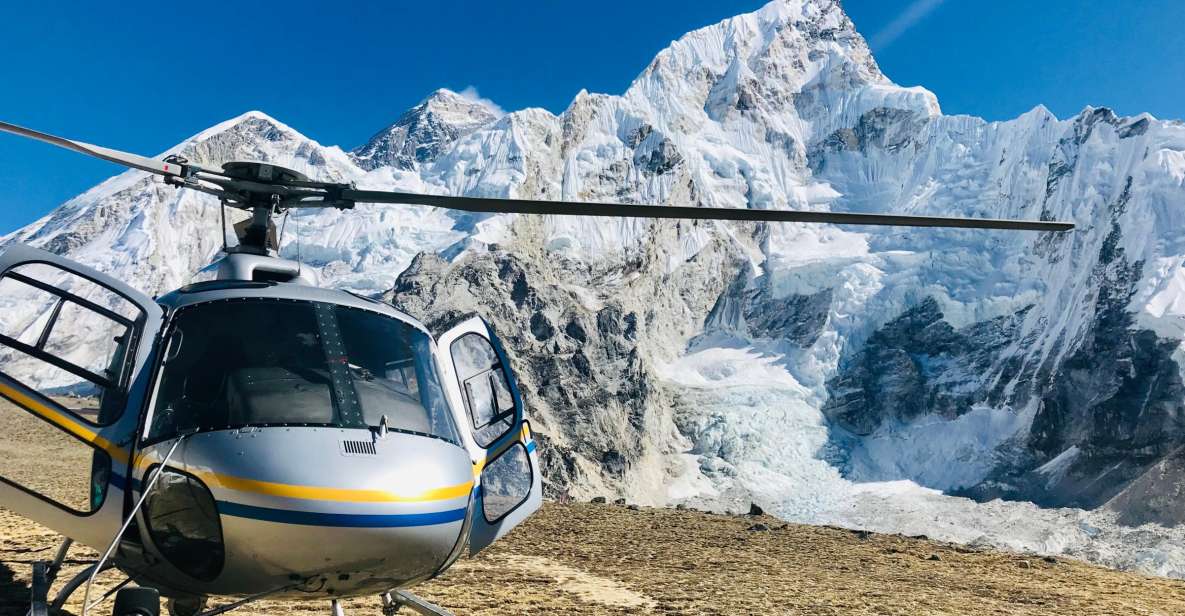
Safety and Emergency Rescue: Most trekkers feel better after a day of rest or a slight descent. However, if your condition does not improve, your guide will immediately contact our agency in Kathmandu for rescue helicopter service.
Your safety is our top priority. In the event of serious illness or injury, ground transport is too slow due to the remote terrain. The fastest and most reliable option is emergency helicopter evacuation.
We can arrange an emergency helicopter evacuation from any point on the trail back to Kathmandu within a few hours (weather permitting). To ensure a smooth and life-saving rescue.
Travel insurance: Unfortunate illness or injury can happen to anyone, anywhere. In the remote mountain regions where we trek, your safety is paramount. Because ground transport to the nearest clinic can be slow, we rely on rapid aerial response.
• Helicopter rescue: From Kathmandu, offers the fastest rescue service but is extremely expensive.
• Action required: We strongly advise you to issue a comprehensive travel insurance policy from your home country or in Kathmandu. Your policy must specifically cover emergency helicopter evacuation and medical expenses at high altitudes up to 5,000 meters.
Our team will handle all the logistics with your insurance provider and the helicopter operators so that you can focus entirely on recovery.
Pro Tip: Please always carry a digital or printed copy of your insurance certificate and the 24-hour emergency contact number for your provider.

Himalayan Experience Trek welcomes you to Nepal, the land of Himalaya, where we can offer a variety of experiences to make your holidays a truly memorable one in Nepal, India and Tibet, especially adventure trip, remote mountains region of Nepal.