Dear all trekkers and climbers,
Namaste! A warm welcome to trekkers and climbers from all over the world. We invite you to trekking at Hinku valley and climbing Mera peak. Which is a true paradise for those who love high-altitude adventure, untouched nature, and the serene mountain environment.
About Mera Peak: At 6,476m. Mera Peak is situated in the Hinku Valley and stands as one of Nepal’s highest and most popular trekking peaks.
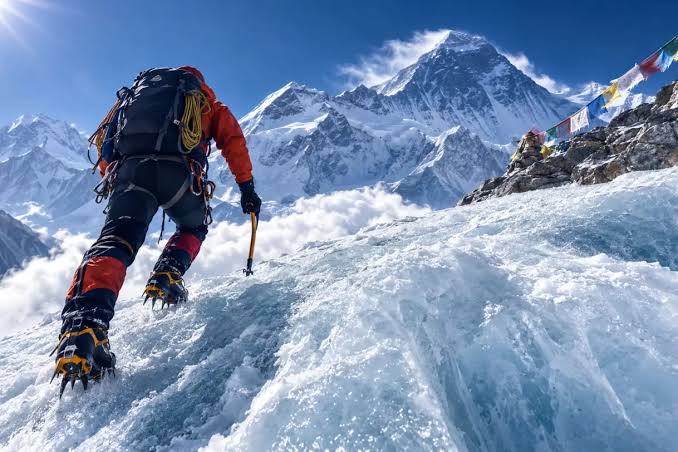
Technically, Mera Peak is not considered a "mountaineering" challenge in the traditional sense. To ensure your safety, your guide will manage fixed ropes for both the ascent and descent, you simply need to follow the lines. There is no technical rock or ice climbing involved.
It is one of the few peaks where you can reach such a high elevation without prior climbing experience, offering a short-duration expedition with spectacular views of five 8,000m giants.
In my experience, Mera Peak is arguably the finest trekking peak in Nepal for Himalayan views. Having stood on the summit myself, I can promise that if the weather is clear, you will be rewarded with a spectacular, intimate panorama of the Khumbu and Makalu regions. You aren't just looking at the mountains; you feel as though you are standing among them.

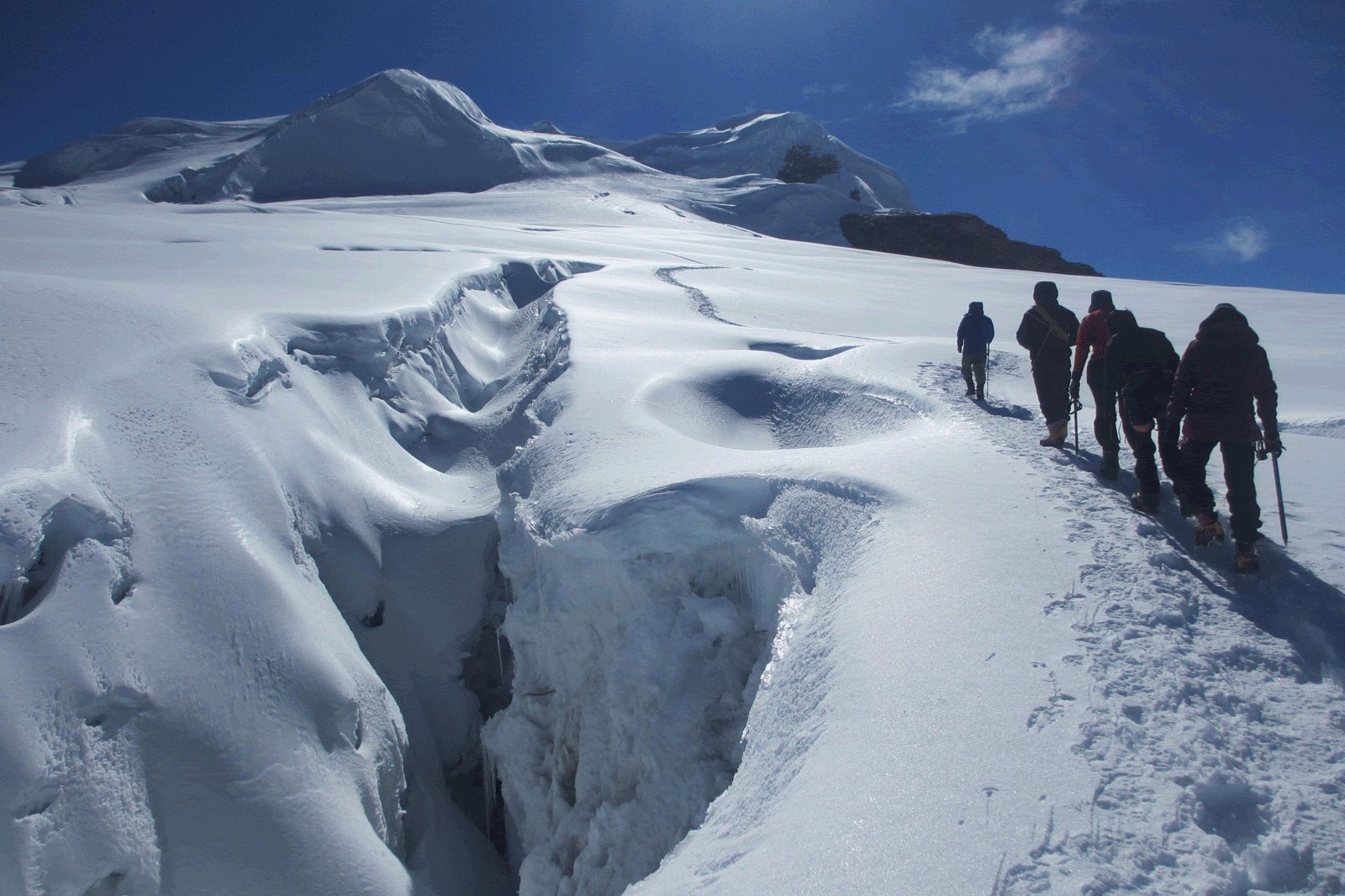
Challenges to Consider: While the climb is non-technical, the mountain is a living environment. The most significant challenge is a large crevasse located just below the summit. This crevasse changes every year, sometimes widen or deep, requiring careful navigation. Your guide will monitor these conditions closely to ensure the team crosses safely using the best available route and rope techniques
Achieving Success on Mera Peak: To reach the summit of Island Peak, you don’t need to be a professional mountaineer, but you must respect the mountain's demands. A successful expedition is built upon three essential pillars:
1. Physical Fitness 2. Thorough Acclimatization 3. Mental Confidence
The golden rule: While the early morning push to the summit is exhilarating, the descent back to Base Camp is often the most dangerous phase of the expedition. Move slowly and maintain absolute concentration during the rappel and the long trek back to Base Camp. Every step counts until you are off the ice.
Himalayan panorama: If the weather permits, you will be rewarded with one of the most intimate and iconic panoramic views in the world. Having stood on the summit myself, I can confidently say that Mera Peak is the premier trekking peak for Himalayan views.
From the summit you are surrounded by a "sea of giants," including five above 8,000-meter peaks and several iconic Himalayan peaks:
1. Mount Everest (8,848m) 2. Kanchenjunga (8,586m) 3. Lhotse (8,516m) 4. Makalu (8,485m) 5. Cho Oyu (8,188m)
Below 8,000 meters peaks are Baruntse (7,129 m), Chamlang (7,319 m),
Ama Dablam (6,812 m), Nuptse (7,861 m), Kusum Kanguru (6,367 m), and Thamserku (6,623 m).
Strategic planning: You don't have to be worry about missing your chance for summit, we provide an extra day needed to ensure you reach the top safely and comfortably.
 For first-time climbers, preparation at Base Camp is key to a successful summit. Your climbing guide will lead a mandatory practical training session to ensure you are comfortable with your equipment before leaving the tent.
1. Mastering the gear:
Harness & Crampons: We will ensure your harness is fitted correctly over your down layers and that your crampons are perfectly adjusted to your mountaineering boots.
The Ice Axe: You will practice the correct way to hold and carry your ice axe, including how to use it for balance and as an "anchor" if needed.
2. Fixed-line and techniques:
The Ascender (Jumar): You will practice sliding the Jumar up the rope and, most importantly, how to switch carabiners at anchor points (the "re-belay") without ever being unclipped from the safety line.
The Descender (Figure-8): We will practice rappelling (abseiling). You’ll learn how to thread the rope through your Figure-8 or ATC and how to control your speed with your "brake hand."
3. Mountain safety protocols:
Maintaining Distance: You will practice keeping a safe distance from the climber in front of you to avoid rope tension issues or falling ice / snow.
Rope Management: Learn how to manage the "main rope" so it doesn't get tangled in your crampons.
Communication: We will review the hand signals and verbal commands used between you and your guide during high winds.
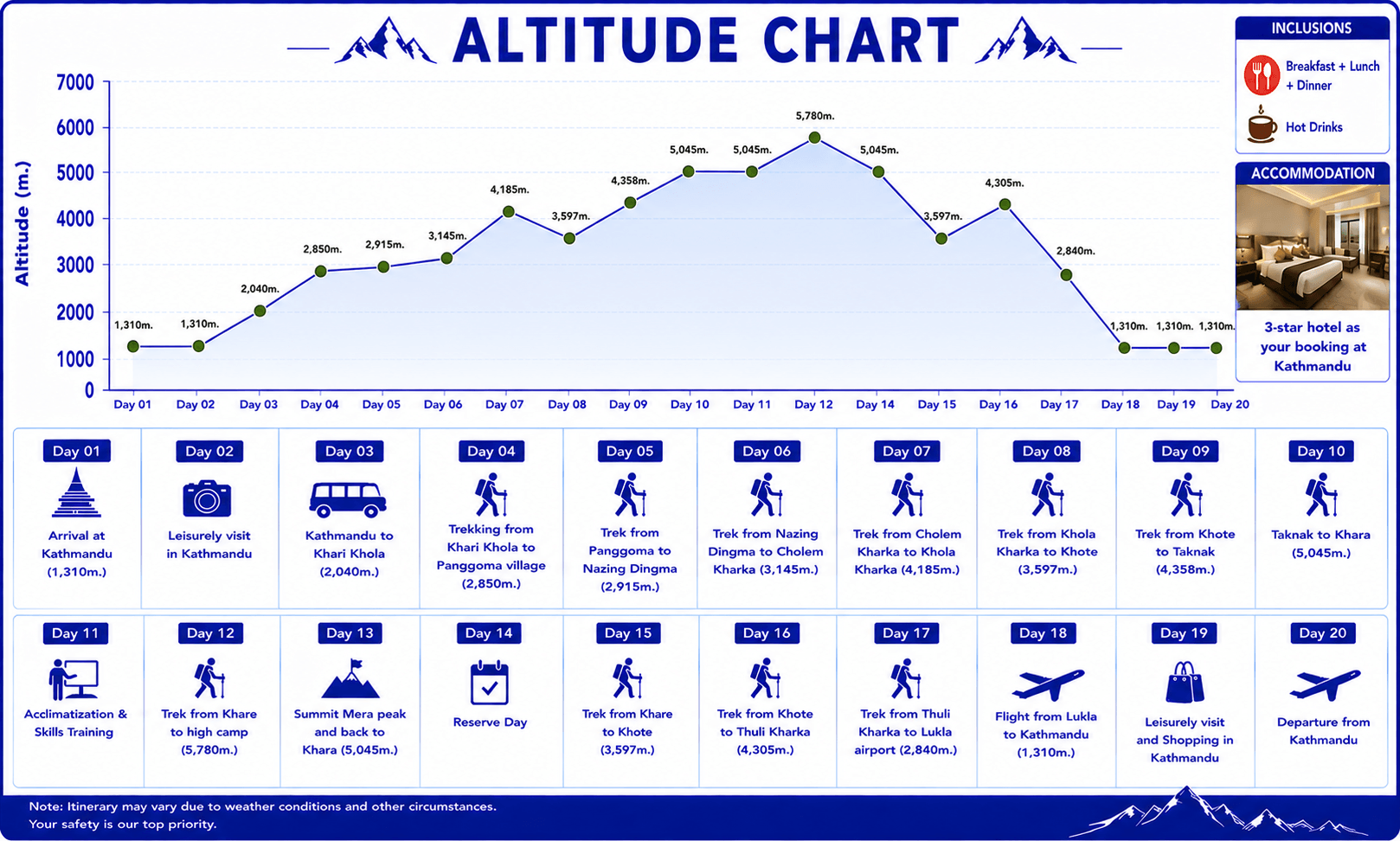
How the trek starts & progression: During 20-day trip, you will stay two nights in Kathmandu. On the third morning, flight from Kathmandu to Phaplu airport to save the time and avoid long drive.From Phaplu drive by a reserv 4WD jeep with your guide and porters to Khari khola, where you will arrive at late evening, for your first night lodging accommodation.
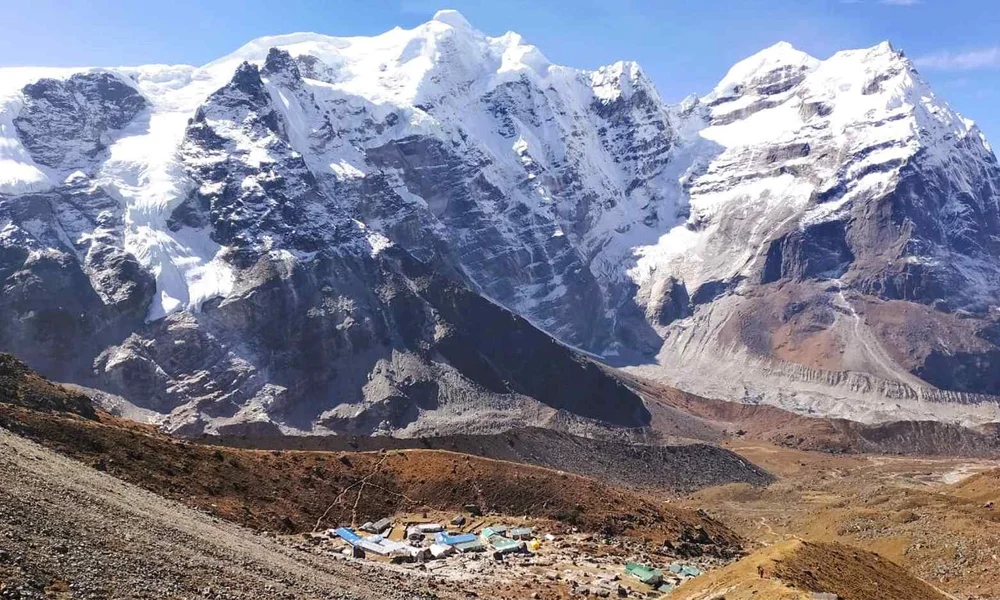
Next morning your adventure journey will begins to Panggoma village (alt. 2,850m.) after this village there are not any local sattelment, only few lodges and Teahouses during the trekking season.
On day 10th you will arrive at Khara (alt. 5,045m.) where you will spend two night for high acclimatization. If you fell well next day ascend to tented high camp. Next day early morning summit the peak and trek back to Lukla.
This journey will ending at Lukla airport, flight from Lukla to Kathmandu for your two night stay at Kathmandu for another two nights accommodation and relax before taking your flight home on 20th day.
Note: See below for an overview of the 20-day Mera peak adventure journey. For complete details on Kathmandu hotels, trekking routes, elevation, walking times, meals, and accommodations, refer to the "Day-by-Day Itinerary" at the bottom of this page.
 High altitude sickness: For high-altitude sickness, safety, and rescue information, visit our link at: high altitude sickness - safety and rescue service
Routes to Mera Peak: We offer two distinct trekking routes to reach the summit, each providing a unique experience.
Option 1: The scenic route (Khari Khola – Panggoma – Lukla)
This is our recommended itinerary for those who want a deeper cultural experience and better acclimatization.
The Journey: We begin in Khari Khola after motor road and trek through the traditional Sherpa village of Pangoma to reach the Hinku Valley.
Highlights: This route offers richer views and more diverse landscapes. You will trekking through jungle and bamboo bushes to Khote. You will see very less trekkers in this route until Khote. After summit, we trek back to Lukla Airport for your flight to Kathmandu. Tenzing-Hillary Airport in Lukla (2,840m). is the main gateway for Mt. Everest base camp and Kala Patthar view point.
For the Adventurous: If you are looking for even more excitement, we can extend this trek into a tented camping expedition across the technical Mingbo La or Amphu Labtsa passes.
Option 2: The direct route (Lukla – Lukla)
This is a faster and more economical choice.
The Journey: We fly from Kathmandu directly to Lukla and follow the standard trail to the summit, returning via the same route.
Benefits: It is shorter and less expensive, making it ideal for those with limited time or a tighter budget. Within eleven days Lukla - Mera Summit - to Lukla, complete the expedition.
 Permits and other: For Mera peak Khumbu region trekking permits are generally not required. You will only need Mera Peak climbing permit, TIMS card (Trekkers' Information Management System) and Makalu Barun conservation area's entry fees.
We will handle the arrangement of these for you. Local government fees will be managed and arranged by your trekking guide on the spot.
To process your peak permit and TIMS card required in advance, please send us by email:
• A recent passport-size photograph.
• Your passport, photo copy (valid for a minimum of six months).
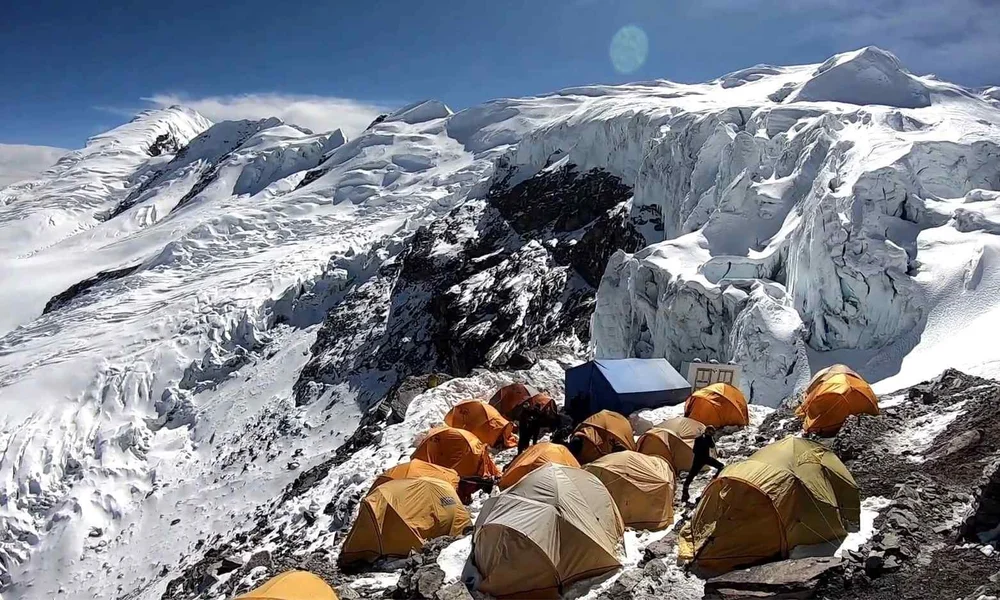
Trekking accommodation: At Mera peak, region there are several small hotels lodges and restaurants are available. During your journey, you will stay in charming local hotel or lodges on a bed-and-breakfast basis. While mountain facilities are simpler than those in Kathmandu, they offer cozy atmosphere and the legendary warmth of Himalayan hospitality. "Your stay at High Camp includes tented lodging and full meal service, ensuring you stay rested and nourished before your summit push."
Daily meals during the trek: Each lodge or small restaurant you will get vegetarian or non veg. dishes, different kinds of breakfast set, lunch and dinner. Authentic Nepalese Dal Bhat, Tarkari, chapati, Tibetan breads, momos, Stew, pasta, noodles, pizza, several items of fresh organic vegetables, potatoes, meats, eggs, soups, hot and cold drinks, which you can check at menu. Your guide will assist in arranging delicious lunches and dinners daily.
Climbing / Trekking guide: To ensure the highest safety standards and a successful summit, you will be led by a highly experienced, government-registered climbing guide. They are experts in high-altitude safety, technical manoeuvres, and weather assessment.
Porters: We provide dedicated porters to carry your personal luggage and heavy gear, allowing you to focus your energy on the trek and the climb.
Domestic flight: To maximize your time in the mountains and avoid several days of strenuous trekking and drive, this itinerary includes 20 to 25 minutes flight Kathmandu to Phaplu and after trek 30 to 35 minutes, flights between Lukla to Kathmandu.
Ground transportation: To ensure your arrival and departure are as smooth as possible, we provide private vehicle car, van or bus as group size, transfers for all your airport needs. We provide 4WD jeep from Phaplu airport to Khari Khola as our itinerary.
 Note: For trekking seasons and weather information, visit our link at: Trekking peak climbing seasons and weather
Life on the trail follows a peaceful, structured rhythm designed to keep you energized and immersed in the landscape.
The morning call: Your day begins gently. Early in the morning, your guide will bring a hot cup of tea or coffee directly to your room, followed by a bowl of warm water for washing. After freshening up and packing your duffel bag, you’ll head to the dining hall. A fresh, warm breakfast is served as you take in the morning sun hitting the surrounding peaks.
The trail & midday break: The day is spent at a steady, comfortable pace. Along the way, you’ll enjoy scenic strolls, capture photographs, and explore local culture—visiting monasteries, schools, or villages with your guide.
Lunch between 11:00 AM and 1:00 PM, featuring a freshly prepared hot meal and drinks. Following lunch, you’ll have about an hour to digest and relax before resuming the afternoon leg of the journey.
Afternoon arrival & evening relaxation: Upon reaching the day’s destination, your guide will handle your hotel or lodge check-in. Once you’ve settled into your room, the late afternoon is yours to enjoy. Relax in the heated dining hall with hot drinks, biscuits, and local cheese. You’ll place your dinner order early to ensure a fresh meal at your preferred time.
Evening briefing: During dinner, your guide will recap the day’s highlights and provide a detailed briefing on the terrain and plan for the following morning.
 For your safety and comfort on the mountain, please ensure you have the following technical equipment. You are responsible for providing your own gear; however, high-quality equipment can be purchased or rented in Kathmandu if needed.
2 non-locking carabiners 1 pcs, 2 D-Shaped locking carabiners 1 pcs, Steel Crampons 1 pair, Alpine climbing harness 1 pcs, mountaineering boots with high altitude liners 1 pair, Ice axe 1 pcs, Ski pools 1 pair, Ascender 1 pcs, climbing helmet 1 pcs, Snow Glass 1 pcs, Snow gloves 1 pair, Expedition style gaiters (ensure fit over your boots) 1 pair.
Trekking equipment check list: For this high-elevation trek, please make sure to bring the following gear:Trekking boots, light shoes / trainers, down or fibre pile jacket, fleece or sweater, shirts (x 2), long and short trekking trousers (and /or long skirt for women), windproof jacket & trouser, waterproof poncho, sun hat, woollen cap, gloves, woollen socks (x 3), underwear.
Other essential items: Kitbag and padlock, small rucksack, down sleeping bag (4 seasons +) with inner liner, water bottle (1 litre capacity), head torch, personal first aid, sun and snow glasses/goggles, sun cream (factor 15+) & lip slave, towel & wash kit, whistle, passport, passport-size photographs, plastic bags, money belt.
Optional: Camera (with high-capacity memory cards and extra batteries), trekking poles / walking sticks, binoculars, notebook, pen etc.
Sleeping bag: We strongly suggest bringing down sleeping bag (-20 degree Celsius) with an inner liner. Because hotels / lodges blankets are not always warm and clean enough to meet your personal standards.
If you, doesn’t have sleeping bag you can buy or hire at Kathmandu as your size.
 We are a team of experienced Sherpas who have been leading Himalayan treks and expeditions for many years. Trekkers from all over the globe trust us and return year after year for another trek or expedition.
In Kathmandu, there are many trekking agencies: some charge high prices without delivering quality service, while others offer low rates but lack experience and support. Regardless of the cost, the mountain views remain the same. But the quality of service that makes all the difference.
We offer reasonable prices and ‘top-tier’ service across every aspect of your journey without compromise. That is why our clients keep coming back to trek with us again and again.
When you trek with our team, your investment does more than just book a trip-it ensures a seamless, high-quality experience defined by a warm, family-like atmosphere and total peace of mind.
While some trekkers explore the Himalayas independently to save money, they often overlook a critical question: "If something goes wrong, what is the plan?"
Trekking in Nepal is vastly different from hiking in Western countries. The landscapes are rugged, conditions are extreme, and weather can change in an instant.
In wilderness, unexpected challenges - from different sickness to sudden weather change can arise at any moment. Without professional support, these situations can quickly become dangerous. We provide the essential safety net and emergency logistics required to keep you safe.
Your journey with us isn’t just a holiday; it’s a commitment to quality, safety, and an unforgettable experience on the trail.
Tips for trekking staff: Tipping is a customary way to appreciate your team's hard work and dedication in helping you reach your goal. You may tip as much as you wish. However, if you are not satisfied with their service, tipping is not necessary.
 Mera peak climbing and trek designed for anyone who is physically fit, healthy, and passionate about exploring the high Himalayas. We welcome men and women between the ages of 18 and 70 to join us with confidence.
This peak climbing and trek are suitable with friends, groups or single with a guide. Being surrounded by such a beautiful organic, natural Himalayan environment is proven you feeling excited, happy, stress-free, and full of sweet, unforgettable memories once in your life.
Preparation and Support: You are never alone in your preparation. We provide comprehensive information and a full briefing in Kathmandu before you set off. Once on the trail, your guide will provide a clear, day-by-day explanation of the plan to ensure you are always informed and comfortable.
Get in touch: The trekking regions mentioned here are just the beginning. For more information regarding trekking seasons, exact durations, and a competitive, reasonable cost for your group (large or small), please contact us directly.
We pride ourselves on providing a service that is faster, more personal, and more reliable than the rest. We will reply to your email within 24 hours.
Contact us via:
Email: hellokirken@gmail.com
WhatsApp / Messenger: Kirken Sherpa +43 664 55155 46
Direct Call: +43 664 55155 46 / +977 970 5843 789
"Thank you for choosing Mera peak climbing / trekking and for being a part of our team. We look forward to trekking with you!"
4 nights Kathmandu at 3-Star hotel with bed & breakfast on twin sharing basis.
16 nights Lodging (tea house) trek & peak climbing all the meals (breakfast- lunch - dinner) with hot drinks.
❌ Main meals (lunch + dinner) and drinks in Kathmandu.
❌ Personal climbing equipment.
❌ Personal expenses alcoholic beverages, drinks, laundry services and hot shower.
❌ Medical and travel insurance for the trekkers.
❌ Emergency helicopter rescue charges for the trekkers if necessary.
❌ International airfare (flight ticket) and taxes.
❌ Any kinds of visa for Nepal.
❌ Tips for trekking & climbing staffs.
Warm Welcome: Upon your arrival at the Tribhuvan international airport, Our representative will meet you at the airport terminal with a personalized sign, handling your luggage, welcome you with colourful flowers, drive to star hotel as your booking. Upon arrival at your hotel, you will be served a refreshing welcome drink at reception while our team assists with your check-in.
First Evening & Briefing: In the evening, you can enjoy dinner at your hotel or a local restaurant. During this time, our Tour Manager will conduct a comprehensive briefing, covering your trekking itinerary, safety protocols, and any other essential information for your upcoming adventure.
 3-star hotel as your booking at Kathmandu.

Himalayan Experience Trek welcomes you to Nepal, the land of Himalaya, where we can offer a variety of experiences to make your holidays a truly memorable one in Nepal, India and Tibet, especially adventure trip, remote mountains region of Nepal.
 Breakfast + lunch + dinner with hot drinks.
  Approx. 3 hours.
 Approx. 6 to 7 hours.
 Farewell Dinner: Evening our representative will take you for a farewell Nepali typical dinner with a culture program. After dinner back to hotel.